Why Airline Labels Are Essential for Airport Operations
Airports are busy places where millions of people travel every day. Behind all the flights and passengers, there are many small but important details that keep everything running smoothly. One of those details is airline labels. These labels might seem simple, but they play a big role in helping airports work better. Without good airline labels, things like baggage handling and flight management would become confusing and slow. That’s why companies like HYLABEL make sure these labels are strong, easy to read, and reliable. They help airline workers quickly find the right information, which means fewer lost bags and happier travelers.
How Airline Labels Improve Baggage Handling Accuracy and Speed
Baggage handling is a tricky job. Think about how many bags get checked in every day, all needing to go to different planes and cities. Airline labels help workers know exactly where each bag belongs. When a bag is tagged with a clear and well-made label, it becomes much easier to scan and sort. For example, if a label has a barcode that machines can read quickly, the system sends the bag to the right conveyor belt faster. This means less time waiting at the airport and fewer mistakes where bags are sent to the wrong place. Sometimes, bags get lost or delayed because the labels are torn or smudged, but good labels fix that problem. At HYLABEL, we know from experience that a strong label stays clear no matter how many times it gets handled or even in bad weather conditions. Labels with bright colors and large fonts help workers spot important details without wasting time. When airline staff work faster and better, the whole airport runs more smoothly. Even travelers feel the difference because their bags arrive on time, and they don’t have to worry about losing their luggage. So, airline labels are more than just stickers—they are tools that keep everything moving, preventing chaos in airports.
What Are the Key Features of Durable Airline Labels for Aviation Use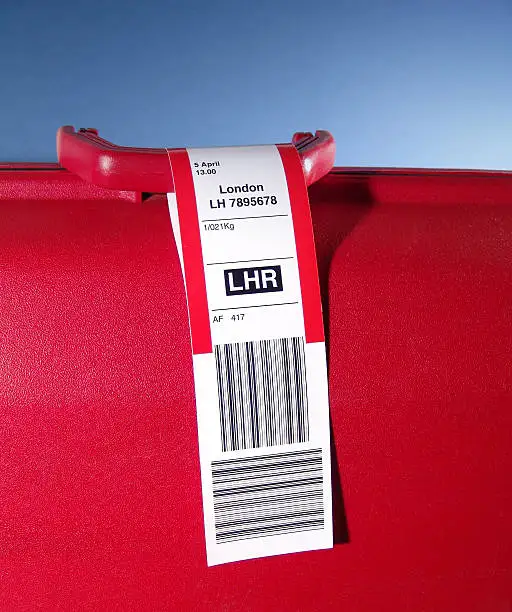
Not all labels are made the same, especially when it comes to airports. Airline labels need to be tough because they face many challenges. They can get wet, scratched, or exposed to heat and cold. That’s why durable labels are necessary. At HYLABEL, we focus on making airline labels that don’t peel off or fade, even after rough handling. Our labels use special materials that resist water and tearing. For example, a bag might go through rain or snow, but the label stays stuck and readable. The ink we use is also important; it needs to stay dark and sharp without smudging, even if it rubs against other bags or machinery. Some labels also have extra coatings to protect them from dirt or grease. Another important feature is how easy it is to scan the barcode or read the printed information. If a label is scratched or wrinkled, scanners might fail, causing delays. HYLABEL’s products are tested many times to make sure they work perfectly in busy airport conditions. Plus, the shape and size of labels matter. They must fit on many types of bags and suit different airline rules. Our experience shows that labels with a little extra space for writing or printing help workers add more information when needed. Sometimes, labels also have special adhesives that allow them to stick well but peel off cleanly when the bag arrives at its destination. This prevents damage to luggage while still keeping tracking information visible. Making airline labels is not just about sticking a piece of paper on a bag; it’s about creating a tiny but powerful tool that supports the entire airport system day after day.
How to Choose the Best Airline Labels for Seamless Airport Logistics
Airports are busy places where many things happen at the same time. To keep everything running smoothly, airline labels play a very important role. These labels help workers know where each piece of luggage, cargo, or equipment belongs. Choosing the best airline labels is not as easy as it sounds. There are many things to think about to make sure these labels work well and help the airport run without problems.
First, the labels need to be easy to read. When workers look at a label, they should quickly understand what it says. This means the letters and numbers must be clear and printed in a big enough size. The colors used on the labels are also important. Bright colors can help labels stand out, so workers don’t miss important information.
Next, the labels must stick well. Airports can be very busy and sometimes rough places. Luggage moves from one place to another, and cargo is handled by machines and people. If a label falls off, it can cause big problems, like lost bags or wrong shipments. That’s why choosing a label that sticks strongly but does not damage the items is very important.
Another thing to think about is the weather. Labels might be used inside the airport or outside on vehicles and equipment. Some labels need to stay stuck even if it rains, snows, or gets very hot. That means the material the label is made from has to be water-resistant and strong enough to stay on no matter the weather.
Also, the labels should be easy to print and produce quickly. Airports need many labels every day, so having labels that can be printed fast without losing quality is very helpful. This saves time and makes sure the airport can handle large amounts of luggage and cargo without delays.
At HYLABEL, we understand these needs very well. Our airline labels are designed to be clear, strong, and weatherproof. We help airports choose the right labels so their logistics run smoothly. When you pick the best labels like those from HYLABEL, you make sure that airport workers can do their jobs easily, and passengers get their bags and cargo on time.
Why Wholesale Airline Labels Are a Cost-Effective Solution for Airport Management
Airports always try to save money while keeping everything working well. One smart way to do this is by buying airline labels in wholesale. Wholesale means buying a large number of labels at once, instead of just a few at a time. This helps airports get better prices and reduce costs, which is very important for managing big places like airports.
When airports buy labels in large amounts, the price per label usually goes down. This means they spend less money on each label compared to buying them one by one. This money saved can be used for other important things at the airport, like improving security or making passenger services better.
Buying wholesale also means airports do not have to order labels all the time. Having a big stock of labels ready helps workers avoid delays when they run out. This makes airport operations faster and smoother because workers always have what they need.
Another benefit is that wholesale buying can simplify the planning and ordering process. Airport managers can plan ahead and order enough labels to last for months. This reduces the chance of running out at a bad time, like during busy travel seasons when many people fly.
Choosing wholesale labels from trusted brands like HYLABEL also guarantees good quality at a lower price. Sometimes, cheaper labels may look good but don’t work well or fall off easily. HYLABEL provides strong and reliable labels that stay on luggage and cargo during the whole journey. This prevents problems like lost bags or wrong deliveries, which can be expensive and stressful.
In the end, buying wholesale airline labels is smart because it saves money, time, and helps keep airport operations smooth. Airports can trust HYLABEL to supply high-quality labels in large amounts, making sure everything moves easily and passengers are happy.
What Materials Are Used in Premium Airline Labels for Long-Lasting Performance
Not all airline labels are the same. The materials used to make these labels are very important because they decide how long the label will last and how well it works. Premium airline labels, like those from HYLABEL, use special materials that help them stay strong and clear for a long time.
One common material airline luggage tags used in these labels is vinyl. Vinyl is a type of plastic that is very tough and flexible. It can handle rough treatment without tearing or falling apart. This is important because airline labels often face hard handling when luggage moves through airports and airplanes. Vinyl labels also resist water and dirt, so they stay clean and readable even in bad weather.
Another material often used is polyester. Polyester is very strong and can resist heat and cold. This means that labels made from polyester won’t melt or crack when the temperature changes. Airports sometimes have very hot or cold places, so polyester helps labels keep their shape and stickiness in these conditions.
Some premium labels have a special coating on top. This airline luggage labels coating protects the printed information from smudging or fading. It also helps the label resist scratches and chemicals that might be around in airports. This way, the information on the label stays clear and easy to read from the moment it is printed until the luggage or cargo reaches its destination.
The glue used on premium labels is also important. HYLABEL uses strong but safe adhesives that stick well to different surfaces like plastic, metal, and cardboard. The glue holds the label firmly, even when luggage is moved a lot. But it also removes cleanly without leaving sticky residue when needed, which helps reuse or recycle packaging.
In summary, premium airline labels from HYLABEL are made from vinyl or polyester with protective Airline label coatings and strong adhesives. These materials make sure the labels last a long time, stay visible, and keep luggage and cargo moving without problems. Using high-quality materials is one way to make airport operations safer and more efficient for everyone.


Comments
Post a Comment