PLC Modules for Upgrade and Replacement Projects
When companies want to improve or change their machines, they often look at PLC modules. PLC stands for Programmable Logic Controller. These are important parts that help machines work better. At Taofa, we know a lot about these modules. Our experience in industrial manufacturing shows us how crucial it is to have the right PLC modules for upgrade and replacement projects. Choosing the right ones can help businesses save time, money, and energy. This article will explain which PLC modules are best for these projects and how to pick the right ones for your needs.
What Are the Best PLC Modules for Upgrade and Replacement Projects?
When it's time to upgrade or replace PLC modules, you have to think about a few key features. One of the best types is the modular PLC. Modular PLCs are flexible and allow you to add or remove parts easily. For example, if your business grows, you can add more inputs and outputs without changing the entire system. Another great option is a compact PLC. These are smaller and can fit in tight spaces, which is super helpful for many factories. They are also often easier to set up. If you are worried about safety, look for PLC modules that have built-in safety features. These can help protect your machines and workers. Some PLCs even have options for remote monitoring, which means you can check on your machines from your computer or phone. This can save a lot of time, especially if you manage multiple sites. Taofa offers a variety of these modules, ensuring you find the right fit for your specific needs. Always consider how easy it is to program the PLC. Some PLCs come with user-friendly software that makes it easy for even beginners to learn. Lastly, don’t forget to check the support options. Good customer service can help you solve problems quickly, which is important when you are upgrading or replacing parts.
How to Choose the Right PLC Module for Your Upgrade Needs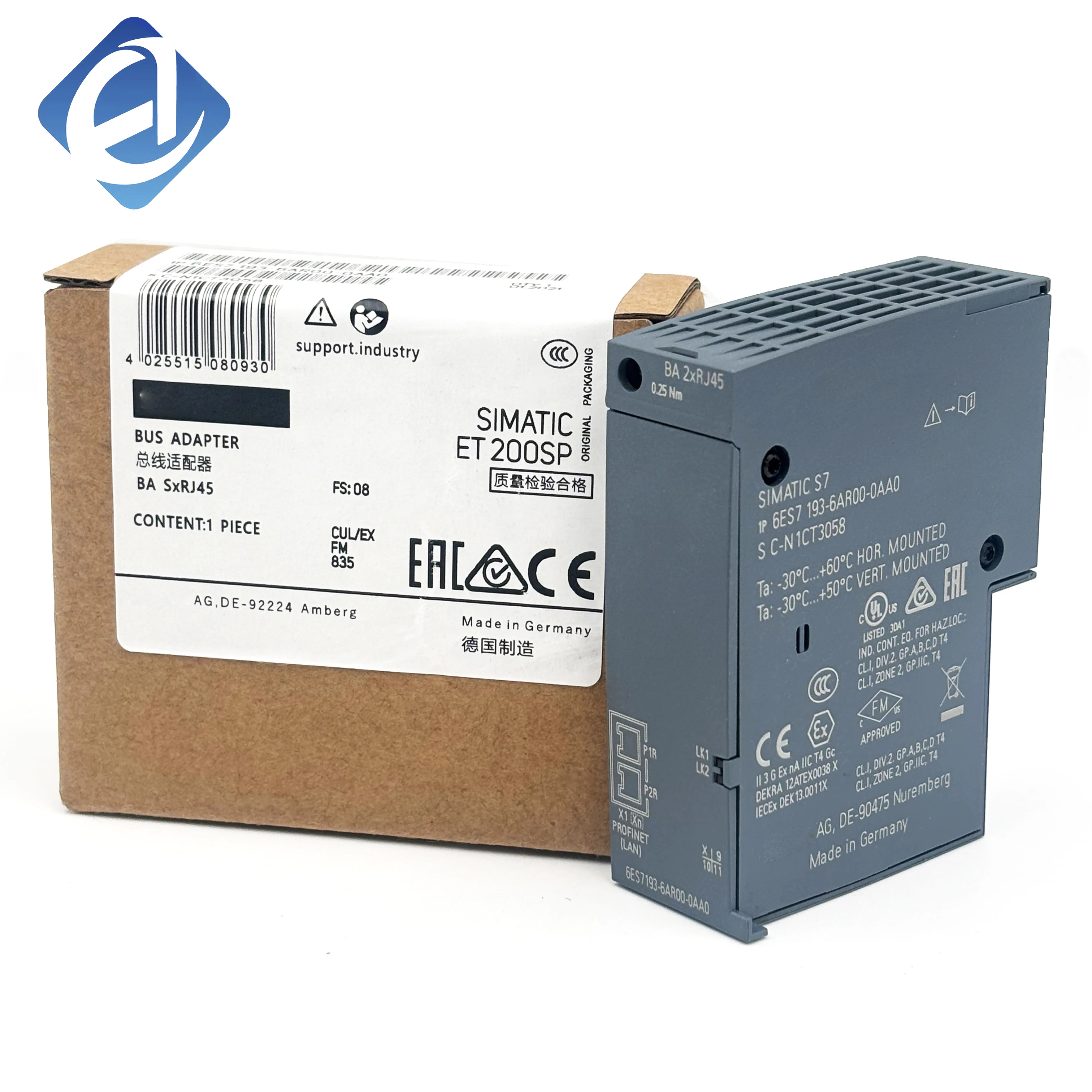
Picking the right PLC module can feel like a big task, but it doesn’t have to be hard. Start by figuring out what your specific needs are. For instance, think about how many machines you need to control and what types of inputs and outputs you will require. If your machines need a lot of sensors or devices, make sure the PLC can handle them. Next, consider the environment where the PLC will be used. If it’s in a dusty or wet area, look for modules that are designed to work in tough conditions. It is also wise to plan for the future. If you think your business will grow, choose a module that allows for expansion. Another important factor is the programming language. Some PLCs use ladder logic, while others might use structured text. Pick one that fits your team's skills. Don’t hesitate to ask for advice from experts, like those at Taofa. We are always here to help guide you through the best options. Finally, set a budget. It’s important to find a balance between quality and cost. Sometimes, spending a little more upfront can save you money in the long run through efficiency and reduced downtime. By thinking about all these factors, you will be able to choose the right PLC module for your upgrade needs.
Common Issues with PLC Module Upgrades and How to Solve Them
Upgrading a PLC (Programmable Logic Controller) module can be a smart move for many businesses, but it can also come with some problems. One common issue is compatibility. When you get a new PLC module, it might not work well with the old parts of your system. This can cause delays and extra work. To solve this, it’s important to check if the new module is compatible with your existing hardware and software before you buy it. You can ask your supplier or look at the product specifications to make sure everything fits together nicely.
Another problem people face is the lack of training. If the new PLC module has different features or a new interface, workers might not know how to use it right away. This can lead to mistakes and slow down production. To avoid this, companies should provide training for their employees. This training can include hands-on practice and detailed guides to help everyone get used to the new system.
Additionally, some might forget to back up their old settings before the upgrade, which can be a big mistake. If something goes wrong during the upgrade, you could lose important information. To prevent this, always make sure to back up all settings and data. This way, if you need to go back to the old system, you can do it easily. Lastly, timing can be an issue. Upgrades can take time, and doing them during busy periods can disrupt work. Planning the upgrade during a slower time can help avoid this problem.
What Are the Benefits of Upgrading to the Latest PLC Modules?
Upgrading to the latest PLC modules has many great benefits. First, new modules often have better performance. They can process information faster and control machines more efficiently. This means that tasks can be done quicker, which helps businesses save time and money. With improved speed, companies can produce more goods in less time, giving them a better chance to compete in the market.
Another benefit is enhanced features. New PLC modules come with advanced technology that allows for more complex tasks. For example, they might have better communication options, allowing them to connect easily with other devices and systems. This can lead to a more streamlined operation. Having better communication between machines can help monitor systems in real time, making it easier to catch problems before they become serious.
Safety is also a big reason to upgrade. New PLC modules often include better safety features. This means they can help prevent accidents and protect workers. For instance, they might have built-in alarms or shutdown features that activate if something goes wrong. Investing in the latest technology can make the workplace safer for everyone.
Lastly, newer modules can be more energy-efficient. They use less electricity than older models, which can help reduce energy costs. This not only saves money but also helps the environment. By choosing to upgrade, companies can show that they care about sustainability and are taking steps toward a greener future.
Common Pitfalls in PLC Module Replacement and How to Avoid Them
Replacing PLC modules can sometimes lead to mistakes that can cause more problems than solutions. One common pitfall is rushing the replacement process. Some input module plc companies might want to get the new module in place as quickly as possible, but this can lead to errors. If you hurry, you might not check if the new module is correctly installed or configured. To avoid this, take your time. Follow a step-by-step process for replacing the module, and ensure everything is connected properly before starting up the system again.
Another mistake is not testing the new module after installation. Once the replacement is done, it’s important to run tests to check that everything is working correctly. If testing is skipped, you might miss issues that could cause problems later. Make it a routine to conduct tests for all new installations. This will help catch any issues early on and allow you to fix them before they affect production.
Failing to document the replacement process can also be a plc module big issue. If you don’t keep records of what was done during the replacement, it can be hard to troubleshoot later. Keeping good documentation helps everyone understand what changes were made. It can also help future upgrades go more smoothly. So, always write down the steps taken during the replacement and any changes made.
Lastly, some might forget to update their software after replacing the PLC module. New modules often require the latest software to function properly. If you don’t update, you might face compatibility issues that can disrupt operations. To plc modules prevent this, always check for software updates when replacing a module. By being careful and following these steps, you can make sure your PLC module replacement goes smoothly and successfully. At Taofa, we are always here to help you navigate these challenges and make informed decisions for your systems.


Comments
Post a Comment