N-Iodosuccinimide: A Comprehensive Overview of a Key Electrophilic Reagent
N-Iodosuccinimide, often called NIS, is a special chemical used in making many important materials. It helps add iodine atoms to other molecules, which can change how they act. This is very useful in chemistry, especially when creating medicines, plastics, or other products. At Suru, we focus on making NIS with the right quality so that it works well every time. This chemical is like a tool for chemists—it makes certain reactions happen faster and cleaner. Even though it sounds simple, using NIS the right way needs skill and understanding, which we have gained through many years working closely with scientists and manufacturers. Let’s look closer at what NIS is and how it helps in chemistry, and then how to use it properly to get the best results in making useful compounds.
What is N-Iodosuccinimide and Why It’s Essential for Electrophilic Reactions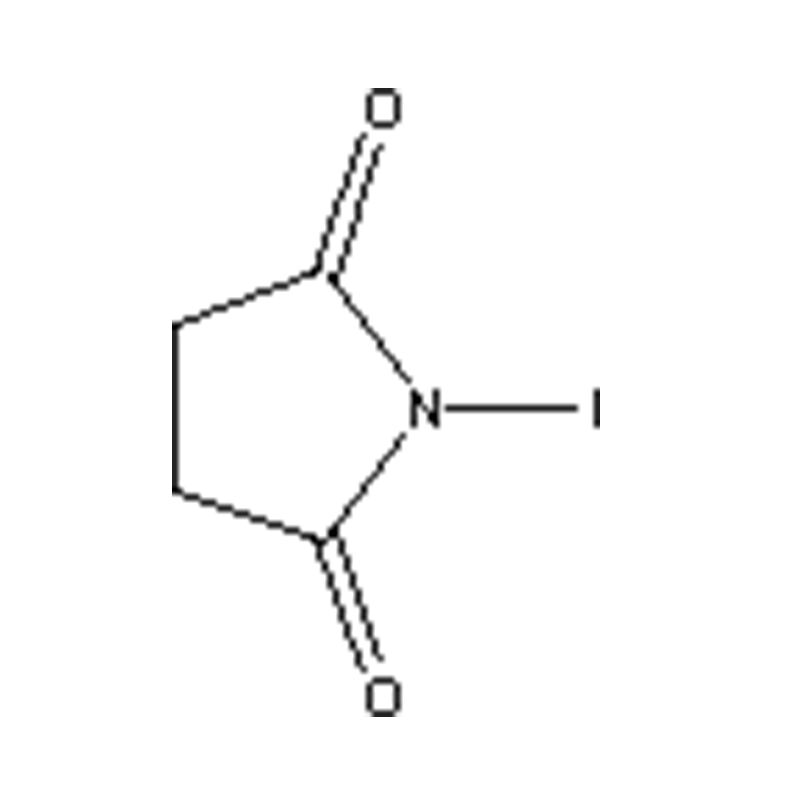
N-Iodosuccinimide is a compound that contains iodine and a ring-shaped molecule called succinimide. It’s mainly used as an "electrophilic" reagent, meaning it can add iodine to other molecules by accepting electrons. This is important because iodine atoms can change the way molecules behave, making them more active or ready to connect with other chemicals. Without NIS, this process would be much harder and slower. Chemists use it because it can work under mild conditions, which means it doesn’t need very high heat or pressure. For example, when making certain medicines, adding iodine in the right place of a molecule can improve how well the medicine works. NIS makes this easier to do. We at Suru make sure our NIS is pure and stable, so it can do its job well. It’s also safer to handle than some other iodine sources, which is important in a busy lab or factory. Sometimes, people mix NIS with other chemicals to add iodine and oxygen together in one step, saving time. Not all reagents can do this. This shows why NIS is called a key reagent—it opens doors to many chemical changes that are otherwise tricky. Even if you’re not a chemist, you’ve likely used products that started with reactions involving NIS. So, it’s not just a lab chemical; it’s part of making everyday items better. At Suru, our experience tells us that the quality of NIS directly affects how smooth these reactions go. Poor quality means slower reactions or unwanted side products. That’s why our manufacturing pays close attention to every detail.
How to Use N-Iodosuccinimide for Efficient Organic Synthesis Applications
Using NIS properly in organic synthesis—the process of building complex molecules—is both an art and a science. First, you need to know what kind of molecule you want to change. NIS is great for adding iodine to double bonds or to certain positions on rings. For instance, if you want to add iodine to a molecule with a double bond, NIS will attach the iodine atom there, often creating a new kind of molecule useful for making medicines or materials. At Suru, we advise users to control the amount of NIS carefully. Too much can cause unwanted side reactions, while too little might not finish the job. Also, temperature matters. Usually, reactions with NIS happen at room temperature or cooler, which helps keep things safe and steady. Sometimes, chemists add a small amount of acid or base to help the reaction along, but this depends on what’s being made. We have noticed that using NIS in a clean, dry environment makes a big difference. Water or impurities can slow the reaction or cause problems. Storage is also key. NIS should be kept away from light and moisture to keep it effective. From our work at Suru, we learned that batch consistency is important. If the NIS quality changes from batch to batch, users might see different results. That can be frustrating and costly. So, we’ve developed strict processes to make sure every batch is just right. For example, in one project, a customer needed NIS for adding iodine to a complex molecule used in an active pharmaceutical ingredient. Our product helped them achieve the reaction in a single step, saving time and lowering costs. That’s the power of using the right reagent with the right know-how. When handled correctly, NIS makes organic synthesis smoother and more efficient. It’s not just about adding iodine; it’s about making chemistry work better for everyone. At Suru, we take pride in supporting those efforts with our reliable NIS.
Common Challenges When Handling N-Iodosuccinimide and How to Overcome Them
N-Iodosuccinimide, often called NIS, is a chemical used in many important reactions, especially in making medicines. However, working with NIS can sometimes be tricky. One big challenge is that NIS can be sensitive to light and moisture. If it gets wet or is left in bright light for a long time, it can break down and lose its power to react properly. This means that if you do not handle it carefully, your experiments might not work well, or the results could be wrong. Another problem is that NIS can sometimes cause skin or eye irritation if it touches your body. This means safety is very important when working with it. Also, because NIS is an electrophilic reagent, it reacts readily with many other chemicals, so mixing it with the wrong substances can cause unexpected or dangerous reactions.
To overcome these challenges, it is important to follow some simple rules. First, always wear protective gloves, goggles, and a lab coat when handling NIS. This helps protect your skin and eyes from irritation. Second, store NIS in a dry, dark place to keep it stable. Using airtight containers can prevent moisture from getting in. Third, work with small amounts of NIS at a time to reduce the risk of accidents. When you use NIS in a reaction, add it slowly and carefully to avoid sudden reactions. Also, make sure to work in a well-ventilated area or under a fume hood to avoid breathing in any fumes. If any spills occur, clean them up immediately using proper waste methods.
At Suru, we understand these challenges very well. Our team always recommends clear guidelines and safety tips to help scientists use NIS safely and effectively. By following these simple steps, you can avoid many common problems and get the best results from your experiments with NIS. Remember, careful handling is key to making the most out of this powerful chemical.
What Are the Key Advantages of Using N-Iodosuccinimide in Pharmaceutical Manufacturing
N-Iodosuccinimide (NIS) is a very useful chemical in making medicines. One of the main advantages of using NIS is that it helps add iodine atoms to other molecules easily. Iodine atoms are important in many medicines because they can change how the medicine works or how it moves inside the body. NIS is known for being gentle and selective, which means it can add iodine to very specific parts of a molecule without causing unwanted changes to other parts. This precision is very important in pharmaceutical manufacturing because it helps create medicines that are safe and effective.
Another advantage of NIS is that it works well at room temperature and under mild conditions. This means it does not need very high heat or pressure, making the manufacturing process safer and more energy-efficient. Using NIS can also reduce the number of steps needed to make a medicine. When there are fewer steps, the production is faster and less expensive. This helps companies make medicines more affordable for patients.
NIS is also easy to handle compared to some other iodine reagents. It produces fewer harmful by-products, which means the final medicine is purer and cleaner. This is very important because medicines need to be free from dangerous impurities. In addition, NIS can be used for a wide range of chemical reactions, making it a versatile tool in the pharmaceutical industry.
At Suru, we value these benefits highly. We supply high-quality NIS that meets strict standards to help pharmaceutical companies create safe and effective medicines. By n iodosuccinimide choosing NIS from Suru, manufacturers can improve their processes and produce better medicines for people around the world. Overall, NIS is a key reagent that helps bring important new drugs from the lab to patients in need.
How to Store and Maintain Stability of N-Iodosuccinimide for Long-Term Use
Storing N-Iodosuccinimide (NIS) correctly is very important to keep it strong and safe for long periods. If NIS is not stored well, it can break down and stop working properly. This can cause problems in experiments or manufacturing processes. To keep NIS stable, it must be kept away from light, heat, and moisture. These factors can cause NIS to lose its iodine or change into other chemicals that are not useful.
The best way to store NIS is in a cool, dry place. A dark cabinet or a special chemical storage room is ideal. The container should be tightly closed to stop air and water from getting inside. Using containers N-Iodosuccinimide made of materials that do not react with NIS is also important. Plastic or glass bottles with secure caps work well. Many labs also keep NIS inside sealed bags with drying agents that absorb moisture. This extra step helps keep the chemical dry.
Temperature control is another key point. NIS should be stored at room temperature or cooler, but not frozen. Very high temperatures can make it break down faster, while freezing might cause the container to crack or moisture to condense inside. Some labs store NIS in refrigerators designed for chemicals to keep it fresh longer.
At Suru, we provide detailed instructions with our NIS products to help customers store and handle the chemical properly. We also test our NIS regularly to ensure it stays pure and effective over time. Following our storage guidelines helps customers avoid waste and maintain safety in their work.
In summary, keeping NIS in the right conditions—cool, dry, and dark—helps maintain its strength and Products reliability. Good storage practices not only protect the chemical but also ensure that the work done with NIS is successful and safe. By choosing Suru’s NIS and following proper storage advice, users can enjoy long-term benefits from this valuable reagent.


Comments
Post a Comment