How Steel Truss vs Aluminum Truss Compare in Durability
Durability Comparing Steel truss vs Aluminum truss:
For those deciding between steel truss and aluminum truss, longevity is one of the most critical elements. There are a few traits that allow for the steel truss to be tough and strong, thus being a favorite of heavy duty. On the other hand, aluminium truss is lightweight and rust-proof, but more people have concerns about how long it lasts than when you choose steel. Let’s take a closer look at what these materials mean for truss longevity and who the winner is in the battle of lasting durability.
With respect to the materials that affect truss strength:
Strong Alloy Iron carbon truss is strong steel formed from an alloy of iron and carbon which provides excellent structure with long term durability. This is why steel truss is perfect for holding up heavy loads while facing abuse. Meanwhile, aluminum truss is constructed with rust-free and rusting-resistant lightweight aluminum alloy. Aluminum truss is not as strong as steel, yet it can still stand up to the outdoor elements and also maintain its integrity over many years. All types of materials have certain pros and cons associated with them when considering their durability, so it’s important to consider this well so you make the right decision.
Steel Truss & Aluminum Truss Over Time What environmental conditions do the best: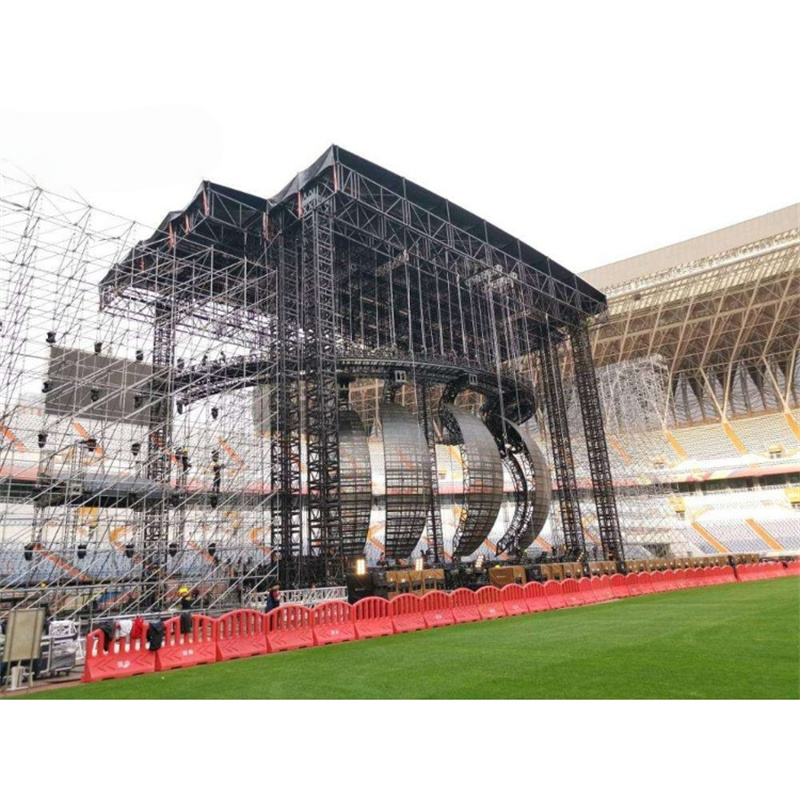
As far as durability goes, steel and aluminum truss each have its own set of pros and cons when it comes to the elements. Steel truss has an inherent resistance to fire, cracking, moths, ants and mold. But steel truss is vulnerable to rust and corrosion, particularly in damp or coastal regions. Contrastingly, aluminum truss is inherently rust and corrosion resistant, so it’s an excellent choice for outdoor use. Aluminum truss isn't as strong as steel, but holds up better in the elements and can be expected to last for a longer time span.
To compare the service life of steel truss and aluminium truss structure:
In terms of service, steel truss buildings are recognized for being long-lasting and enduring heavy use over time. Conclusion: Steel Truss Steel truss can easily Truss last for half a century, or even longer if given care and maintenance. Aluminum, on the other hand, does not have that much durability as steel and can bend or dent when exposed to too much weight. Yet, aluminum truss maintenance and onsite inspections can reduce the span of alu truss, becoming an easy way to save time for effective budget control for temporary or portable projects. In the end, a truss structure's longevity will vary according to factors such as quality of materials, use and maintenance.
Comparing steel vs. aluminum truss for permanent installations: pros and cons
The Steel Truss vs Aluminum Truss Debate Scaffolding Although both steel truss and aluminum truss last a lifetime, both exhibit they’re own series of pros and cons. Steel truss provides additional strength and durability in heavy duty applications. But steel truss is heavy and susceptible to rust, which could mean higher maintenance over the life of the bridge. Aluminum truss, on the other hand is light weight but long span should be very used areas for asset building. Although it’s not as strong as steel, the corrosion Barrier resistance of aluminum has made it an excellent option for outdoor projects. In conclusion the decision between steel truss or aluminum truss comes down to your project needs and if you want more of a long term investment in durability.


Comments
Post a Comment